
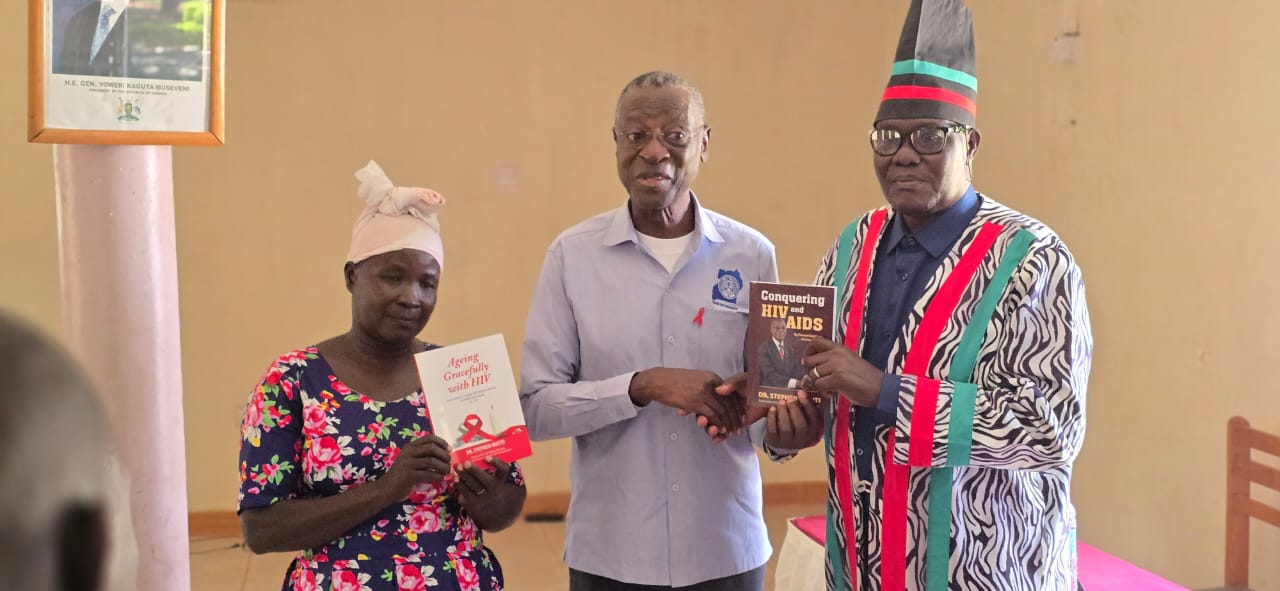
The Uganda AIDS Commission has raised concern over the high rate of HIV infections in Soroti City, urging cultural, religious and community leaders to take a more active role in reducing stigma, promoting HIV testing and encouraging treatment adherence.
The call was made during an engagement with leaders of the Kumam Cultural Institution in Soroti as part of the Presidential Fast-Track Initiative aimed at ending AIDS as a public health threat by 2030.
Dr Stephen Awatiti, a Commissioner at the Uganda AIDS Commission who has lived with HIV for nearly four decades, encouraged leaders to use their influence to promote HIV awareness, support prevention efforts and help people living with HIV access and remain on treatment.
"I have lived with HIV for close to 40 years and have been on treatment for the last 25 years. HIV is no longer a death sentence if people test early, enrol on treatment and adhere to their medication," Awatiti said.
He noted that although Uganda has made progress in expanding access to antiretroviral therapy, about 50 people still die daily from AIDS-related illnesses. He stressed that consistent adherence to treatment suppresses the virus and reduces the risk of transmission.
Awatiti urged cultural leaders to address myths and misconceptions about HIV, saying stigma remains a major barrier that prevents many people from seeking testing and treatment.
He also called on government and Parliament to increase domestic financing for HIV programmes following reductions in donor support.
Soroti District HIV Focal Person William Oriokot said community leaders play a crucial role in delivering HIV prevention messages because of the trust and influence they hold within communities.
"Our expectation is that these leaders return to their communities and continue talking openly about HIV prevention, encourage men to participate in the fight and engage young people through their various platforms," Oriokot said.
He revealed that while HIV prevalence in Soroti District stands at 2.5 percent, the rate in Soroti City is significantly higher at 11.6 percent, making the city one of the areas of concern in the region.
According to Oriokot, the high prevalence is linked to several factors, including transactional sex driven by poverty, early marriages, teenage pregnancies, poor parenting, truck stopovers along the Northern Corridor, emerging entertainment centres, alcohol abuse, drug use and other risky sexual behaviours.
"The most affected group remains women, although many men do not come for testing because of stigma. For every infected woman, there is likely an infected man who remains undiagnosed," he said.
The Chairperson of the Kumam Council, George William Omuge, acknowledged that HIV remains a major challenge within the community and pledged that cultural leaders would strengthen awareness campaigns.
"We shall use every opportunity during funerals, community meetings and cultural gatherings to educate our people and discourage harmful cultural practices and behaviours that fuel the spread of HIV," Omuge said.
He added that the institution would seek partnerships and support to strengthen community-based HIV prevention initiatives.
The engagement is part of nationwide efforts by the Uganda AIDS Commission to involve cultural institutions as key partners in achieving the national goal of ending AIDS as a public health threat by 2030.
